
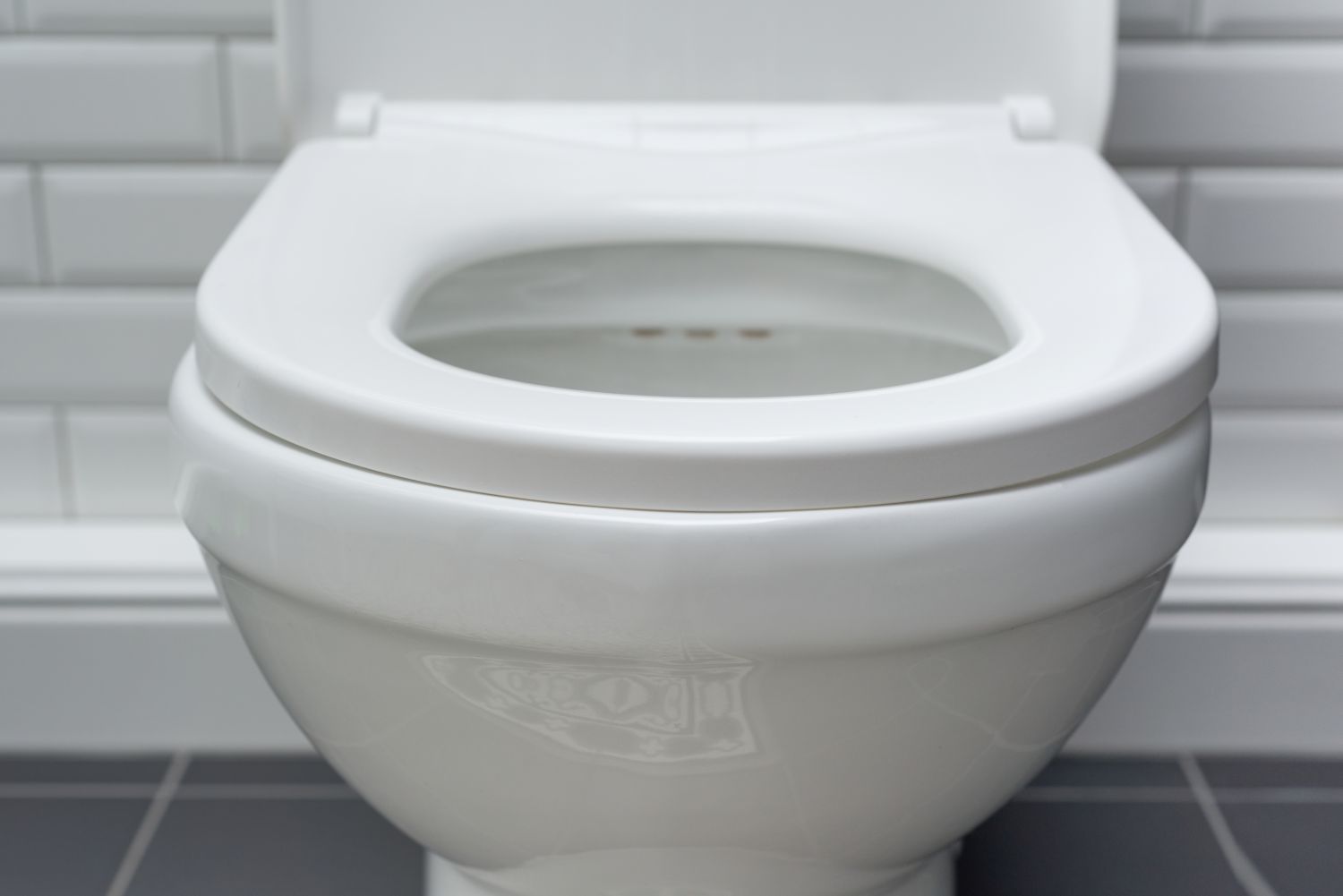
Choosing the right toilet bowl is more than just a functional decision; it can significantly influence the comfort and aesthetics of your bathroom. With various designs, features, and budget considerations, understanding the nuances of toilet bowls is essential for making an informed choice. This guide explores key types, essential features, and stylish options, ensuring you select a toilet that not only meets your practical needs but also complements your personal style. Dive in to discover the perfect fit for your space.
Understanding Toilet Bowl Types
Selecting the appropriate toilet bowl type is essential for both functionality and aesthetics in a bathroom.
The available options encompass:
- one-piece
- two-piece
- wall-mounted
- floor-mounted designs
Two-Piece vs. One-Piece
One-piece toilets facilitate construction with their single-unit design, whereas two-piece models provide enhanced transport and installation options, particularly in tighter spaces. For example, the Kohler one-piece toilet, priced at approximately $400, minimizes the risk of leaks and simplifies cleaning due to its seamless construction.
In contrast, the American Standard two-piece model, available for around $300, offers greater flexibility in terms of transport and installation, which can be a significant advantage in smaller bathrooms.
From an aesthetic perspective, one-piece designs generally convey a modern appearance, while two-piece units may present more traditional styling options, thereby accommodating diverse consumer preferences.
Wall-Mounted vs. Floor-Mounted
Wall-mounted toilets represent a modern, space-efficient solution, while floor-mounted options offer traditional stability and durability suited for everyday use.
For example, wall-mounted toilets, such as the Geberit model priced at $600, are particularly advantageous in compact bathrooms due to their streamlined design, which allows for the optimization of floor space for other purposes. Additionally, the accessibility of the area beneath these toilets facilitates ease of cleaning, thereby enhancing overall hygiene.
Conversely, Toto’s floor-mounted toilets, which are available at approximately $350, provide a reliable and robust alternative that typically involves less installation effort and is generally more budget-friendly.
When deciding between these two options, it is essential to consider factors such as bathroom size, desired aesthetics, and maintenance preferences, ensuring a choice that effectively balances both functionality and style.
Key Features to Consider
When selecting a toilet bowl, several key features, including height, flushing mechanisms, and water efficiency ratings, play a crucial role in determining both user comfort and environmental impact.
Height and Comfort
Comfort height toilets, generally ranging from 17 to 19 inches in seat height, are designed to accommodate accessibility needs and enhance usability for all family members, particularly the elderly. These toilets facilitate easier sitting and standing, while also adhering to the guidelines set forth by the Americans with Disabilities Act (ADA), thereby ensuring broader acceptance in public facilities.
Reputable brands such as American Standard, with their Cadet 3 model priced at $320, and Kohler, offering the Cimarron for $300, present excellent choices that provide stable seating and features that simplify cleaning.
When making a selection, it is advisable to consider additional features such as:
- Elongated bowls for enhanced comfort
- Dual flush systems for improved water efficiency
Installation of these toilets typically follows standard plumbing procedures, making upgrades straightforward and effective.
Flushing Mechanisms
Flushing mechanisms are fundamental to toilet performance, with options available such as dual flush for water conservation and single flush for straightforward efficiency.
Dual flush toilets, such as the Toto Drake II priced at $400, provide two flushing options:
- 1.6 gallons for solid waste
- 0.8 gallons for liquid waste
This design significantly decreases water usage over time. In contrast, single flush systems utilize a consistent 1.6 gallons for every flush, resulting in a simpler operation but lower efficiency.
Although the initial investment for a dual flush toilet may be higher, the potential savings on water bills make these fixtures an attractive option for environmentally conscious homeowners.
When determining the most suitable flushing system, it is important to consider individual water usage patterns. Ultimately, dual flush models can effectively minimize water waste without compromising performance.
Water Efficiency Ratings
Water efficiency ratings play a critical role in the selection of environmentally friendly toilets, with EPA WaterSense labels signifying models that utilize 20% less water than conventional fixtures.
For example, high-efficiency toilets such as the Kohler Highline, priced at approximately $350, consume only 1.28 gallons per flush, thereby significantly reducing water consumption compared to older models that may use up to 3.5 gallons. This reduction not only conserves water but also contributes to lower utility expenses.
Another commendable option is the American Standard H2Option, which features dual-flush capabilities and can achieve a water usage as low as 0.92 gallons per flush.
Opting for WaterSense certified toilets not only promotes environmental sustainability but also offers long-term financial benefits for homeowners.
Design and Aesthetics
The design and aesthetics of a toilet bowl are essential components of bathroom decor, providing a range of color finishes and styles that can enhance both modern and traditional settings.
Color and Finish Options
Toilet bowls are available in a wide array of colors and finishes, ranging from classic white to more striking options such as black or colors that can be customized to align with individual preferences.
Some prevalent color choices include white, cream, and grey, with finishes varying from glossy to matte. This trend has been prominently demonstrated by brands such as Duravit, which provide customizable finishes to complement the overall bathroom decor.
For example, a matte black finish can impart a contemporary aesthetic, whereas a soft cream hue can evoke a warmer, more traditional ambiance. When selecting a toilet, it is essential to consider how the chosen color and finish will work together with the overall design scheme of the bathroom.
Shape and Style
The shape of a toilet bowl, whether elongated or round, significantly impacts user comfort and aligns with various bathroom styles, ranging from modern to traditional aesthetics.
Elongated bowls, measuring approximately 18.5 inches in length, provide enhanced comfort, particularly for adults, making them a preferred choice for regular use. For instance, the American Standard Cadet 3, priced at $200, is highly regarded for its design and durability.
Conversely, round bowls, typically 16.5 inches in length, are advantageous for space-saving, making them ideal for smaller bathrooms. A notable option is the Kohler Wellworth, priced at $150, which effectively combines efficiency with space-saving features.
Ultimately, the decision regarding toilet bowl shape should take into consideration both user comfort and the dimensions of the available bathroom space.
Installation Considerations
Proper installation considerations, such as space requirements and plumbing compatibility, are essential to ensure that the selected toilet bowl fits appropriately and functions effectively within the bathroom.
Space Requirements
Ahead of installation, it is essential to accurately measure the available bathroom space, ensuring that there is a minimum of 15 inches from the center of the toilet to adjacent walls or fixtures.
Along with adhering to the 15-inch guideline, it is important to maintain at least 24 inches of unobstructed space in front of the toilet to facilitate comfortable access.
To measure effectively, one should utilize a measuring tape, beginning from the center point of the toilet and measuring outward. It may be beneficial to create a rough layout of the bathroom to better visualize the arrangement. This practice can assist in identifying potential obstacles, such as cabinets or radiators.
Employing a laser distance measurer can also enhance the efficiency of this process, providing quick and accurate readings that contribute to a seamless installation.
Plumbing Compatibility
Ensuring plumbing compatibility is crucial for successful installation, necessitating thorough checks against local plumbing codes and existing plumbing configurations.
Commence by measuring the current plumbing system, paying particular attention to the diameter of the pipes and their alignment. For a 12-inch rough-in setup, it is essential that the new fixture conforms to this standard to prevent the need for extensive modifications.
Subsequently, verify local plumbing codes to understand any specific regulations that may impact the installation process. Local codes may stipulate the types of materials permissible for use or may require permits for certain modifications.
It is advisable to consult a licensed plumber for expert guidance tailored to your specific circumstances, especially if your setup involves complex configurations or pertains to older residential structures.
Maintenance and Cleaning
Toilet maintenance and cleaning are critical for ensuring hygiene and promoting longevity.
It is important to prioritize materials and coatings that facilitate maintenance and enhance overall cleanliness.
Materials and Coatings
Various materials, including ceramic and porcelain, offer distinct advantages in terms of durability and ease of maintenance, while specialized coatings can improve resistance to stains and odors.
Ceramic toilets, such as the Kohler Memoirs equipped with AquaPiston technology, provide a robust construction that effectively resists scratches and daily wear. Conversely, porcelain models may exhibit slightly greater porosity but are generally easier to repair.
To promote cleanliness, it is advisable to consider models that feature an antimicrobial coating, which actively inhibits bacterial growth. For example, American Standard’s Champion line incorporates EverClean technology, which ensures long-lasting hygiene.
When making a selection, it is essential to evaluate your specific requirements: durability versus ease of cleaning, and choose the technology that best aligns with your lifestyle, thereby ensuring that your investment remains viable over time.
Budgeting for Your Toilet Bowl
A comprehensive understanding of the budget for purchasing a toilet bowl is essential, as prices can vary significantly depending on the brand, style, and features.
This variability enables informed financial planning.
Price Ranges and Brands
Prices for toilet bowls can vary significantly, with budget models available for as low as $100 and premium brands exceeding $1,200, depending on features and materials. To assist in making an informed decision, the following reputable brands are recommended:
| Brand | Price Range | Key Features | Best For |
|---|---|---|---|
| Kohler | $150 – $800 | Dual-flush, sleek designs | Modern bathrooms |
| American Standard | $120 – $900 | Efficient flushing technology | Eco-conscious buyers |
| Toto | $250 – $1,200 | Advanced bidet options | Luxury experience |
Selecting the appropriate toilet bowl necessitates a careful consideration of one’s budget alongside the desired features, such as water efficiency and aesthetic design.