
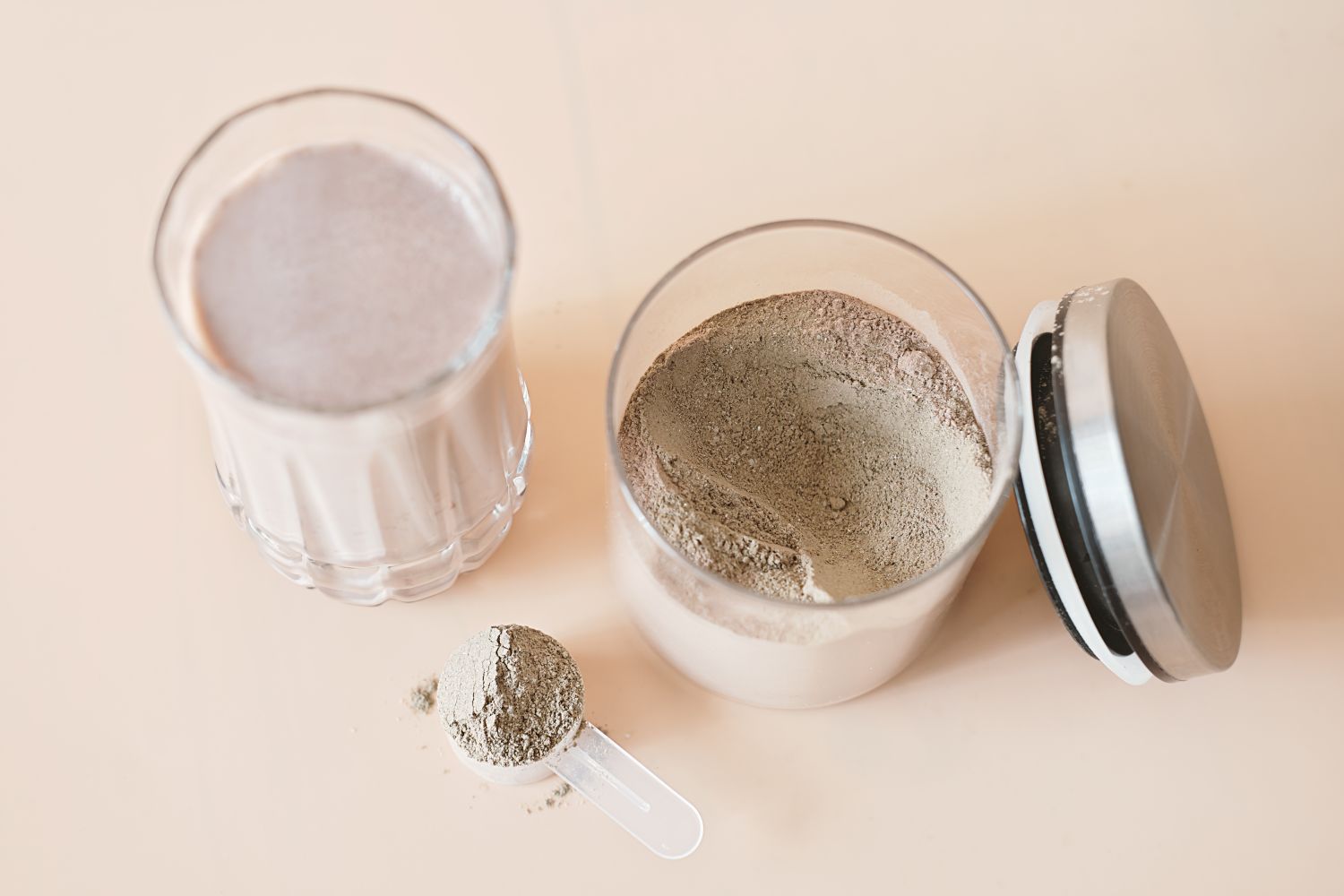
The rising popularity of soy protein isolate has sparked heated debates: is it a revolutionary aid for weight loss or a potential health risk lurking in our diets? As consumers increasingly seek effective solutions for weight management, understanding the benefits and drawbacks of soy protein becomes crucial. This article delves into its weight loss advantages, potential health concerns, and nutritional profile, while also examining the environmental implications of soy production. Explore the complexities of this dietary staple and determine whether it deserves a place on your plate.
What is Soy Protein Isolate?
Soy protein isolate is produced through the removal of a significant portion of fats and carbohydrates from soybeans, resulting in a product that is highly concentrated in protein.
The manufacturing process entails dehulling and defatting the soybeans, followed by the extraction of protein using either water or alcohol. This method typically yields a product that contains approximately 90% protein by weight.
From a nutritional perspective, soy protein isolate is rich in essential amino acids, although it has a lower methionine content when compared to whey protein. For instance, a 30-gram serving of soy protein isolate provides about 27 grams of protein, whereas a comparable serving of whey protein offers around 24 grams.
Regular consumption of soy protein isolate can support muscle growth and recovery, rendering it a valuable alternative for individuals following vegetarian or vegan diets.
Common Uses in Diets
Soy protein isolate, widely utilized in vegan and vegetarian diets, serves as a versatile ingredient in protein shakes, bars, and meal replacements. Incorporating soy protein isolate into one’s meal plan can be both effortless and enjoyable.
In the case of smoothies, it can be blended with fruits and nut butter to create a creamy, protein-rich beverage.
When baking, one may substitute a portion of flour with soy protein isolate-this can be particularly effective in muffins or pancakes to enhance their nutritional profile.
Brands such as Orgain and Evolve provide protein bars that prominently feature soy protein, offering a convenient snacking option.
This ingredient not only increases the protein content of meals but also improves the texture of baked goods, making it an intelligent choice for enhancing both health and flavor.
Weight Loss Benefits
Research indicates that the inclusion of soy protein isolate in one’s diet can substantially improve weight loss efforts by promoting feelings of fullness and reducing overall caloric intake.
How Soy Protein Aids Weight Loss
Soy protein isolate has been shown to reduce hunger by enhancing levels of satiety, with research indicating a potential decrease in daily caloric intake by as much as 300 calories. This effect is primarily attributed to its high protein content, which has been demonstrated to influence hormones such as ghrelin and peptide YY, both of which play crucial roles in appetite regulation.
In a clinical trial, participants who consumed soy protein reported a 25% increase in feelings of fullness compared to those who consumed whey protein. Incorporating 25 grams of soy protein daily can assist in maintaining lean muscle mass during weight loss, thereby enhancing metabolic rates.
Regularly integrating soy into meals-such as in smoothies or stir-fries-can further support these benefits in a practical manner.
Comparative Studies with Other Proteins
Comparative studies indicate that soy protein isolate can be equally effective as whey protein for weight loss, with participants demonstrating similar reductions in body fat percentage.
Soy protein offers distinct advantages for individuals with lactose intolerance or specific dietary restrictions. Notably, it contains phytoestrogens, which may support hormonal balance and are particularly appealing to women.
However, if the primary objective is muscle gain, whey protein remains superior due to its enhanced amino acid profile. Nevertheless, for individuals adhering to plant-based diets, soy protein continues to be a viable and competitive option.
Ultimately, the choice of protein source should align with individual health goals and dietary preferences, ensuring both effectiveness and satisfaction in one’s nutrition strategy.
Potential Health Risks
Despite its advantages, soy protein isolate may present specific health risks, particularly in relation to hormonal balance and potential allergies in sensitive individuals.
Hormonal Effects
Soy protein isolate contains phytoestrogens, which have the potential to mimic estrogen in the human body and may disrupt hormonal balance, particularly in men.
Research suggests that high doses of soy protein, specifically those exceeding 50 grams per day, may result in diminished testosterone levels. For example, a study published in “Hormone and Metabolic Research” indicated that men consuming such quantities experienced significant hormonal alterations.
In contrast, lower doses, around 20 grams, are unlikely to present a risk and may even confer health benefits. Women, particularly during pregnancy or menopause, should exercise caution with soy intake, as elevated levels of phytoestrogens may adversely affect reproductive health.
It is essential to monitor consumption to effectively balance the potential benefits and risks associated with soy protein intake.
Allergies and Intolerances
Soy is a prevalent allergen, impacting approximately 0.4% of the population and resulting in a variety of allergic reactions that can range from mild to severe.
These reactions may manifest as hives, gastrointestinal issues, and in extreme cases, anaphylaxis. Individuals with soy allergies are advised to avoid products containing soy protein isolate, which is frequently concealed in processed foods.
For safe alternatives, consider the following options:
- Pea protein
- Hemp protein
- Rice protein
These alternatives serve as excellent sources for protein supplementation and can be seamlessly integrated into various recipes. It is imperative to always verify product labels to confirm the absence of soy, and to consult with an allergist for tailored recommendations.
Nutritional Profile
Soy protein isolate possesses a comprehensive nutritional profile, encompassing all nine essential amino acids, as well as a variety of vitamins and minerals that are vital for overall health.
Essential Amino Acids
Soy protein isolate possesses a complete amino acid profile, providing approximately 2.5 grams of leucine per serving, which is essential for muscle protein synthesis. In comparison to whey and casein proteins, which deliver about 5.5 grams of leucine per serving, soy protein isolate demonstrates comparable muscle-building potential.
Each 30-gram serving of soy protein contains approximately 27 grams of protein, along with all essential amino acids, making it an excellent choice for individuals following vegan or vegetarian diets.
Furthermore, soy protein isolate is rich in arginine, which supports blood flow and recovery. Incorporating soy protein isolate into smoothies or post-workout shakes can effectively enhance overall protein intake, thus facilitating muscle repair and growth.
Vitamins and Minerals
Rich in vitamins, such as those from the B-complex group, and minerals like calcium and iron, soy protein isolate provides substantial nutritional benefits beyond its protein content.
Specifically, soy protein isolate contains approximately 0.5 mg of vitamin B1 (Thiamine) per 100 grams, which is essential for energy metabolism. Additionally, it serves as a source of calcium, providing around 120 mg per serving, which is crucial for maintaining bone health.
With approximately 4.5 mg of iron per 100 grams, soy protein isolate also plays a vital role in facilitating oxygen transport in the blood. The combination of these nutrients, along with the complete amino acid profile of soy protein, renders it an excellent option for vegetarians seeking a balanced nutritional intake.
Environmental Impact
The environmental implications of soy production present substantial concerns related to deforestation and the loss of biodiversity, which are associated with the growing demand for soy protein isolate.
Sustainability of Soy Production
Current practices in soy production frequently contribute to deforestation; however, sustainable farming methods are emerging that aim to mitigate environmental damage.
One effective sustainable approach is crop rotation, which enhances soil fertility and minimizes pest populations. For instance, alternating soy with legumes can naturally replenish nitrogen levels in the soil.
Brands such as Organic Valley prioritize certified organic soybeans, while certifications like the Round Table on Responsible Soy (RTRS) ensure adherence to environmentally responsible practices.
Additionally, employing agroforestry-integrating trees with soy cultivation-can help maintain biodiversity and reduce soil erosion. By selecting products from these brands and certifications, consumers can actively support eco-friendly soy production initiatives.
Implications for Biodiversity
The expansion of soy cultivation poses significant challenges for biodiversity, frequently leading to habitat destruction for native species. Research indicates that over 90% of soybeans are produced in South America, with notable concentrations in the Brazilian Cerrado and the Paraguayan Gran Chaco. This agricultural expansion endangers various habitats, resulting in the displacement of species such as the Jaguar and the Giant Anteater.
A 2020 study conducted by WWF revealed a 50% decline in amphibian populations associated with soy farming practices.
To mitigate these adverse effects, the adoption of practices such as agroforestry and crop rotation can effectively support biodiversity while ensuring agricultural productivity.
Furthermore, the implementation of sustainable farming certifications, such as Rainforest Alliance, can promote practices that are conducive to biodiversity-friendly soy production.
Is Soy Protein Isolate Right for You?
To ascertain whether soy protein isolate aligns with your dietary needs, it is essential to consider your health status, dietary restrictions, and fitness objectives.
Begin by evaluating any potential allergies; for instance, individuals with soy intolerance should completely avoid this product.
For those following a vegetarian or vegan diet, soy protein isolate serves as an excellent plant-based option that provides all essential amino acids.
Individuals seeking to build muscle should aim for a daily protein intake of 1.2 to 2.0 grams per kilogram of body weight, which may include soy as a primary source.
It is advisable to consult with a healthcare provider prior to making substantial dietary changes to ensure that soy is compatible with your overall nutrition plan.